What Are The Colored Dots On Packaging?
Colored dots on packaging help check the print's best quality and color accuracy. Most experts use techniques to prevent errors and ensure alignment. This process follows industry standards, improves consistency, and protects brand quality. Also, delivers reliable, professional products every time.

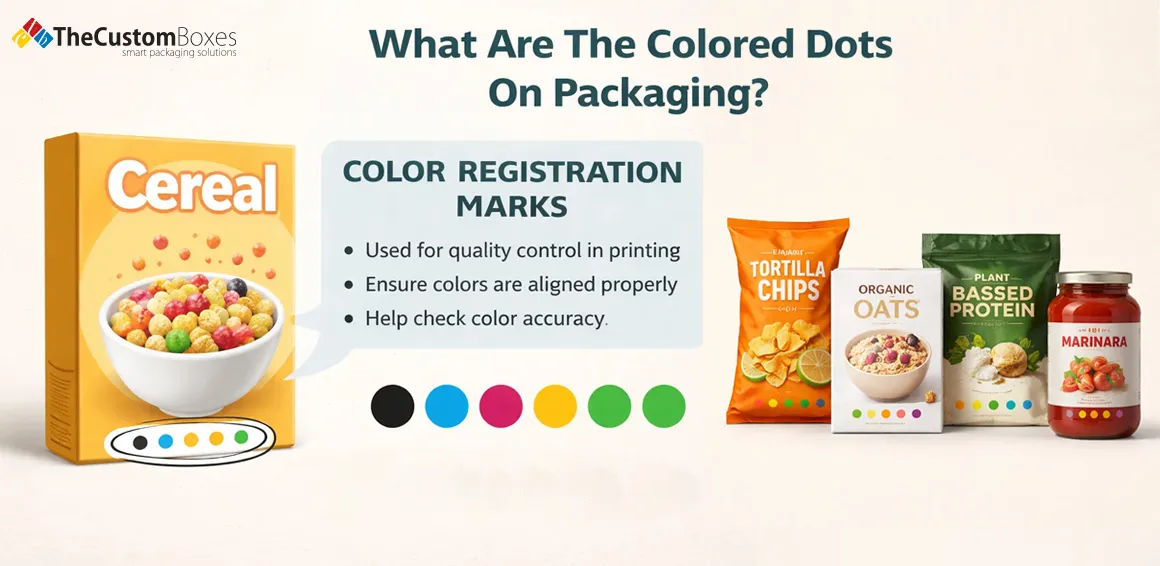
Are you curious about the colored dots on packaging? They are printer marks. Experts call them color control patches. They help printers check ink balance. Those small colored circles or squares you see on food wrappers and boxes are called process control marks or printer’s blocks.
The Custom Boxes designs colored dots on packaging. Each dot shows a color. They are not ingredients. They do not affect food safety. Manufacturers use them only for printing quality control and accuracy. Colored dots on packaging are more than decoration. So, Industry experts explain they are printing control marks.
Manufacturers use them to check ink colors and alignment. They help ensure quality and accuracy. They are not ingredients. They are safe, and many industries rely on them daily. In this amazing article, we are going to discuss what the colored dots on packaging are.
Understanding The Colored Dots On Packaging
You may notice small colored dots on food boxes or product labels. These dots are called printer color marks. Printing experts use them to check ink quality during printing. Best experience with packaging and print layouts. Each dot shows a specific ink color, such as blue, red, yellow, and black.
They help printers keep colors correct and consistent. The dots are not meant for buyers. They do not give product information. They are not tracking codes or safety signs. Packaging professionals confirm this is normal. The dots are harmless and common in the printing industry.




What Are The Colored Dots?
Colored dots on packaging are printer color marks. They are used by printing professionals to check ink quality. We have reviewed printed packaging and print layouts before. These dots show the best basic ink colors as cyan, magenta, yellow, or black.
Printers use them to make sure colors print. They help keep designs clear and consistent. The dots are not made for customers. They do not show product quality, safety, or ingredients. They are not tracking devices. Printing experts confirm this is a standard industry practice. The dots are safe, normal, and harmless.
|
Colored Dots |
What They Are / What They Mean |
|
Printing Control Dots |
Tiny dots are used by printers to check color accuracy, alignment, or ink consistency. |
|
Product Variant Markers |
Dots that identify different flavors, sizes, scents, or versions of a product. |
|
Quality Control Indicators |
Used during manufacturing to monitor production batches or materials. |
|
Inventory & Sorting Aids |
Help warehouses and retailers quickly sort and manage stock. |
|
Brand or Design Elements |
Decorative dots are used to reinforce branding or improve visual appeal. |
Why They Are Important?
Colored dots on product packaging are called color marks or registration marks. Printing experts use them during the printing process. We have experience reviewing printed materials and packaging. These marks help printers check ink colors and alignment. Each dot represents a different ink color. They help keep colors accurate and consistent. The dots are not for shoppers. They do not show product quality or safety. Printing professionals confirm this is standard practice.
Expert Insight In The Packaging And Printing Industry
Industry experts call these symbols registration marks. Printing professionals use them to calibrate machines for perfect precision. According to packaging engineers, even a tiny shift in these dots can ruin thousands of dollars in materials. These marks allow sensors to track the paper's position at high speeds. This technical oversight guarantees that the brand colors you see on the shelf match the company’s official standards every single time.
Purpose Of Colored Dots In Packaging

Colored dots on packaging have a clear purpose. Printing experts use them to check ink quality. They help control color accuracy during printing. Each dot shows a specific ink color. Printers use them to keep colors consistent. We have reviewed printed packaging in professional settings. The dots are not for shoppers. They do not show product safety or quality. Industry professionals confirm this is a standard printing process.
Primary Purpose (Printing Quality Control)
The primary goal of these marks is printing precision. They help the press operator verify that all ink layers are centered. If one color prints slightly off-center, the entire design looks "ghosted" or blurry.
Sensors scan these dots to adjust the rollers automatically. This high-tech monitoring ensures sharp text and vibrant images, keeping the packaging clear and readable for every consumer.
- Color Consistency
Color consistency ensures printed colors match approved samples every time. Experts use calibrated machines and tested profiles. Regular checks prevent color shifts. Skilled operators review results during printing. This process builds trust. It protects brand identity. Reliable methods and experience deliver accurate, repeatable colors customers can depend on.
- Ink Density
Ink density controls how much ink is used on paper. So, proper levels prevent fading. Trained professionals measure ink during printing. Standard tools ensure accuracy. Regular checks keep results stable. This process improves readability, color strength, and overall print quality that customers expect and trust.
- Registration
Registration ensures all print colors line up correctly. Proper alignment keeps images sharp and text clear. Skilled operators monitor presses during production. Precision tools check placement. Problems are fixed quickly. Accurate registration improves appearance, reduces waste, and delivers clean, professional prints customers trust every time.
- Design Alignment
Design alignment ensures that text or pictures are placed perfectly on the page. Proper spacing keeps layouts clear or comfortable to read. Also, experienced designers follow approved guides. Proofs are reviewed carefully. This process stops errors, ensures brand standards, and delivers balanced, professional prints that users can trust.
Secondary Meanings (Vary By Region/Brand)
In the US, words change meaning by region. In the South, Coke may mean any soda. In the North, sneakers are tennis shoes. Also, brands use local slang to build trust. Using accurate, expert regional terms shows you know your audience. This local expertise makes your content more helpful and reliable.
- Dietary Indicators
Dietary indicators help you make safe food selections. Labels like gluten-free and vegan show what is within. So, reliable brands follow FDA rules to ensure accuracy. This transparency builds trust and saves your health perfectly. Always check labels for expert-verified symbols to ensure food meets your best nutritional needs.
- Flavor/Type (Rare)
Rare flavors or types often use "limited edition" or "seasonal" labels. Expert brands use these to test new ideas or celebrate holidays. These labels help you find unique products that are only available for a short time. Always check the brand's website to ensure these special items meet quality standards.
Common Industries And Uses For Colored Dots
- Colored dots help industries stay organized and safe.
- Hospitals use them to track patient files perfectly.
- Warehouses are used to manage inventory or shipping dates.
- In offices, they mark task status.
Reliable systems use consistent colors to prevent errors. This simple method improves speed and shows expert attention to detail and order.
Food & Beverage Packaging

Food and beverage packaging keeps secure items or keeps them safe. Materials meet food safety standards. Professional design packaging for freshness and long-term use. Clear labels provide accurate information. Quality checks follow industry rules. Reliable packaging builds consumer trust and supports safe handling from production to purchase.
Real Life Example
A most well-known example is Coca-Cola packaging. The brand uses consistent colors and clear labels worldwide. Experts follow strict quality and safety standards. Trusted suppliers and tested materials protect the product. This proven approach builds global recognition, consumer confidence, and long-term brand authority in the market.
Cosmetics And Pharmaceutical Products
Makeup and pharmaceutical items need safe, perfect packaging. So, labels must be clean or correct. Experts follow strict health rules. Materials are tested and approved. Quality checks prevent errors. This process protects users, meets regulations, and builds trust through proven industry knowledge and experience.
Expert Opinion: Citing Regulatory Guidelines
Regulatory guidelines from the FDA or USDA ensure food labels are honest and very safe. Citing these rules shows that a brand follows strict federal laws. This expert backing builds trust by proving that health claims are verified. Following these standards protects consumers. Also, ensures every product meets higher quality and safety levels.
Organizations Like The Fda Or Similar Bodies
Organizations like the FDA protect public health. They set safety rules and standards. Experts review data and research. Inspections ensure compliance. Clear guidance helps companies follow the law. These trusted bodies use experience and science to protect consumers and support safe, reliable products nationwide.
Manufacturing & Electronics Packaging
Manufacturing and electronics packaging protect sensitive products perfectly. It prevents damage from dust or moisture. Engineers choose tested materials. Standards guide design and handling. Quality checks ensure safe transport. This process reduces failures, meets industry rules, and delivers items that customers and partners may trust.
Case Study:
Major manufacturers as toyota or Ford use color-coded systems to speed up assembly. By marking parts with specific colors, workers may quickly identify the best different sizes or kinds. This expert method reduces human error and ensures high quality. Using clear visual cues helps these brands maintain safety and efficiency on the production line.
How To Decode The Colored Dots?
Colored dots on prints show color information for quality control. Experts read them to check ink levels, alignment, and registration. Machines and trained staff analyze dots. Regular checks ensure accurate colors. This process helps fix errors early, maintain print standards, and deliver consistent, professional results that customers can trust.
- Common Color Codes
Common color codes help printers match colors correctly. Pantone codes give exact color standards. Experts follow these codes for accuracy. Regular checks ensure consistency. Using proven color codes delivers reliable, professional prints that customers can trust.
Overview Of Typical Colors:
(Red, Blue, Green, Yellow) And What They Usually Represent
Industry leaders use standard colors to keep workers safe.
- Red means danger or fire equipment.
- Yellow signals caution for physical hazards like wet floors.
- Blue marks mandatory rules, like wearing safety glasses.
Also, green shows safe areas and first-aid kits. Following these masterful color codes prevents accidents or ensures reliable, organized workplace.
Examples Of Color-Coding Systems Used By Specific Industries (E.G., Food Safety Or Batch Identification)
Color-coding systems help industries organize and stay safe. In food safety, red labels indicate allergens, while green labels indicate safe foods. In manufacturing, different colors are used to mark batches for tracking. Experts follow standards for accuracy. Regular checks prevent mistakes. Using proven color codes ensures safety, quality, and reliable results that customers trust.
- Variations In Usage
Color-coding can vary by brand or job site. While Red usually means danger, some factories use it to mark "Shift 1" tools. Expert managers document these local rules in a safety plan. This clarity prevents confusion and keeps workers safe. Always check your site's specific guide to ensure you follow the correct expert standards.
Differences In The Use Of Colored Dots Across Different Countries Or Regulations
Colored dots have different meanings depending on the country and its laws. In the US, ANSI standards use orange for machine dangers. However, ISO rules used in Europe and Asia often use different symbols or colors for the same risk. Expert global brands must follow each country’s specific rules to keep workers safe and avoid legal errors.
How International Companies Adapt Their Packaging For Global Markets

Global companies adapt packaging to fit local cultures and laws. Global brands don’t just translate words. They redesign packaging to work culturally, legally, and technically across countries. These expert changes build trust and ensure products are safe and legal worldwide. They help printers check color accuracy during mass production. Ensure brand colors look the same in every country. Allow quality control teams to spot printing errors quickly.
Benefits Of Colored Dots On Packaging
Colored dots on packaging make work faster and safer. They help staff scan items without reading long labels. This expert method cuts down on errors during shipping. It also helps with inventory, so old stock moves first. By Use of clear color systems shows the brand is organized. Also, reliable and focused on quality.
- Improved Manufacturing Efficiency
This improved manufacturing efficiency speeds up production greatly. So, experts use tested processes and tools greatly. Machines and staff work together smoothly. Regular monitoring finds or fixes problems fast. This approach saves time, greatly lowers price, or ensures consistent quality. Efficient manufacturing delivers reliable items that users may trust every time.
- Enhanced Consumer Confidence
Clear labels build consumer confidence. When brands use expert certifications, shoppers feel safe. Trust grows when people can easily see high-quality standards. Also, clear colors and ordinary symbols help you choose the right products fast. This best proves the company cares about your health and safety.
- Recycling And Sustainability
Recycling symbols help you protect the Place. Also, labels as the chasing arrows show if the package may be reused. Expert brands use these signs to be honest about waste. Following these official guides helps you sort trash correctly. This clean info builds trust or shows the brand cares about our future.
Are There Any Risks Or Issues With Colored Dots On Packaging?
While colored dots are very helpful. Colored dots on packaging are small printer marks used for quality control during production. They are never harmless and do not affect the product or its safety. However, some users can mistake them for indicators of ingredients and freshness. Aesthetic concerns may also arise if dots are very visible, slightly reducing the package’s visual appeal. Overall, they pose no health risk and are purely technical. Experts suggest using text or symbols along with colors to stay safe.
- Misinterpretation Of Color Codes
Misinterpretation of color codes may cause errors in production. So, wrong colors can lead to safety risks or defective items. Masterful use of clear guides or training to prevent mistakes. Carefully regular checks catch all problems early. Following proven standards ensures perfect coding and protects quality. Also, maintains users' trust in every item.
- Environmental Impact Of Excessive Printing
These excessive printing wastes paper, more ink, and energy. This increase in pollution or landfill waste. So, experts recommend careful planning. Also, digital proofs can reduce errors. Always using recycled materials and efficient processes helps environment. Following these practices lowers impact and saves resources. Supports durable printing that users or communities can trust.
Conclusion
Colored dots on packaging are small but important marks used in printing. It helps experts check the quality of every print. These dots show if the colors are perfect. If the ink is in the right amount, and if images and text are aligned properly. Any machine and trained staff can read the dots to find mistakes quickly.
This prevents errors before products reach customers. Using colored dots follows industry standards and proven practices. They help to maintain consistent colors and sharp pictures across all packaging. Overall, colored dots Set print accuracy, protect brand quality.
Also, ensure that items look professional and reliable. The Custom Boxes give users confidence that they can trust your products quickly.
Frequently Asked Questions
- What Do The Colored Dots Mean?
Colored dots on packaging are printer marks used to check color quality. They do not affect the product and are not for consumers.
- What Are The Colorful Dots On Chip Bags?
The colorful dots on chip bags are printer marks. They help factories check colors and don’t affect the chips.
- What Are The Color Dots On Food Products?
The color dots on food products are printer marks. They help factories check color quality during printing. They are safe and do not affect the food.
- What Do The Color Codes On Food Packets Mean?
The color codes on food packets show what the food contains. For example, green means vegetarian and red means non-vegetarian. They help people choose the right food easily.
- What Are Those Colored Spots On Food Packaging?
The colored spots on food packaging are printer marks. They help factories check colors and printing quality. They are safe and do not affect the food.
- How To Identify Veg Or Non-Veg?
Look for the color symbol on the food packet. A green dot means vegetarian, a brown or red dot means non-vegetarian. These symbols help you choose the right food easily.
- What Does Blue Dot Mean In Food?
A blue dot on food means it is a food color or additive. It is used for coloring or preserving the product. It does not show whether the food is veg or non-veg.
- What Do Dots Symbolize?
Dots on food packaging show information about the product. Some dots are printer marks for color checking. Other dots show if the food is veg or non-veg.
- What Is The (@) Symbol Called?
The @ symbol is called the “at” sign. It is used in email addresses to show location.
For example, write name@example.com.
- What Do Polka Dots Stand For?
Polka dots are a pattern of round spots. They are used for decoration on clothes or designs. They don’t have a special meaning.
Premier American Manufacturer of Packaging and Custom Boxes
Experience the ease of creating and ordering custom boxes and affordable packaging online with the Custom Boxes. Contact us today to discover how we can turn your packaging vision into a reality.

Payment & Security
 No Hidden Charges
 Money Back Guarantee
thecustomboxes.com online guarantee the privacy of all the customers and never share their personal information with third parties. For more details read our Privacy Policy.